

The Human Algorithm by Mentor it Forward
Somewhere inside every organisation there is a line. On one side sits the work that intelligent systems now do better, faster and more consistently than we ever managed by hand. On the other sits the work that collapses the moment you automate it. Most conferences debate where that line should sit. We ask you to stand on it and find out for yourself. You’ll take a role, step inside a live system and follow a professional relationship from its first moment through to its last.
Along the way you’ll watch AI do the things it is genuinely good at. And then, when what’s needed is no longer information but a person, you’ll watch it stop. What happens in the space it leaves behind is the whole point of the session. We use mentoring as the setting because mentoring strips the question back to something you can feel. We close by handing the room over to people who do this for real, so you can hold the experience you have just lived against the thing it was modelled on.
Workshop Information
Capacity 24 participants.
Limited to 12 academics and researchers interested in the application of AI in business.
Limited to 12 industry professionals in leadership roles navigating the use of AI in the workplace.
Objectives
Explore the boundary between human and AI contribution, examining where AI can add value and where human judgement, trust, empathy, and connection remain essential.
Experience a Human-Led, AI-Amplified approach in practice by participating in a live, hands-on mentoring journey supported by AI.
Connect academic perspectives on human–AI collaboration with industry practice, using mentoring as a practical setting for considering implications across different contexts.
Outcomes
Apply the Human-Led, AI-Amplified principle when considering the design or adoption of AI-enabled practices within your own organisational or professional context.
Translate insights from the experience to your broader workplace settings, recognising where automation creates value and where human involvement should be preserved.
Build your connections across academia and industry around the responsible and human-centred application of AI in professional practice.
Facilitators
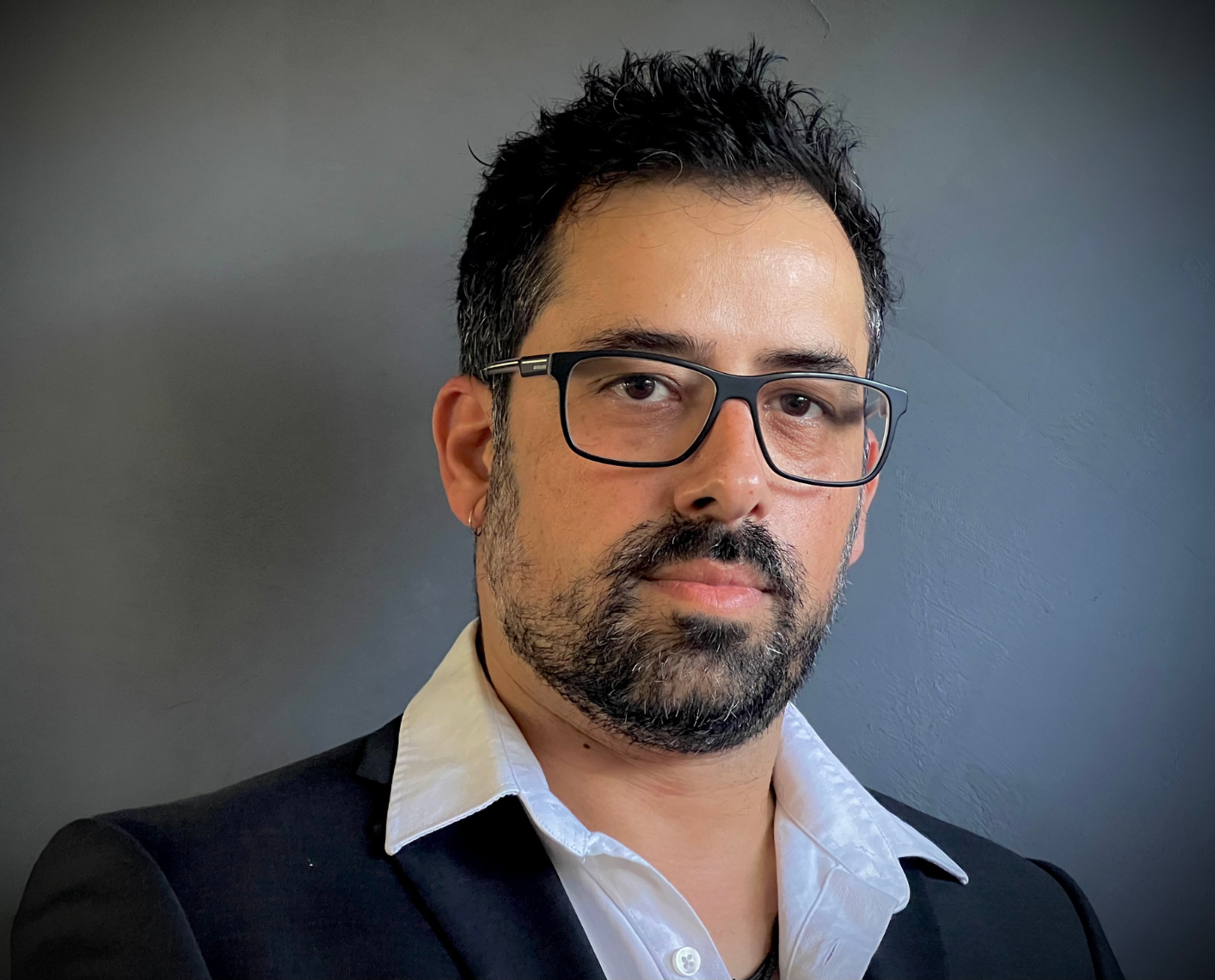
Haim Oz (Ozchakir)
Haim has spent a career delivering the systems organisations depend on, and most of it learning that the system is rarely what decides the outcome. His data and AI leadership spans a wide range of sectors and industries, public and private, in Australia and overseas. Today he leads Spot Solutions, an advisory firm where digital strategy is a question of technology, people and process at once, and co-founder of AIUC Global, which sets a global standard for how organisations disclose their use of AI so that trust in it is earned. The through line is Mentor it Forward®, which he founded and leads as President and CEO, connecting people into industry before they need it and reaching well past what any one mentor could do alone. He believes the technology has always been the easy part.

Amanda Beresford-Long
Amanda is proof that you are not defined by your starting point. Without an obvious pathway or established professional network, mentors helped her recognise her potential, build confidence and imagine opportunities she had never seen for herself. Today, as Principal – Strategic Partnerships at AGuyIKnow and a Champion and Mentor with Mentor it Forward®, Amanda uses her experience and connections to open doors for others. She believes people cannot imagine futures they have never seen, and that the right person, encouragement or introduction can change the direction of a life.
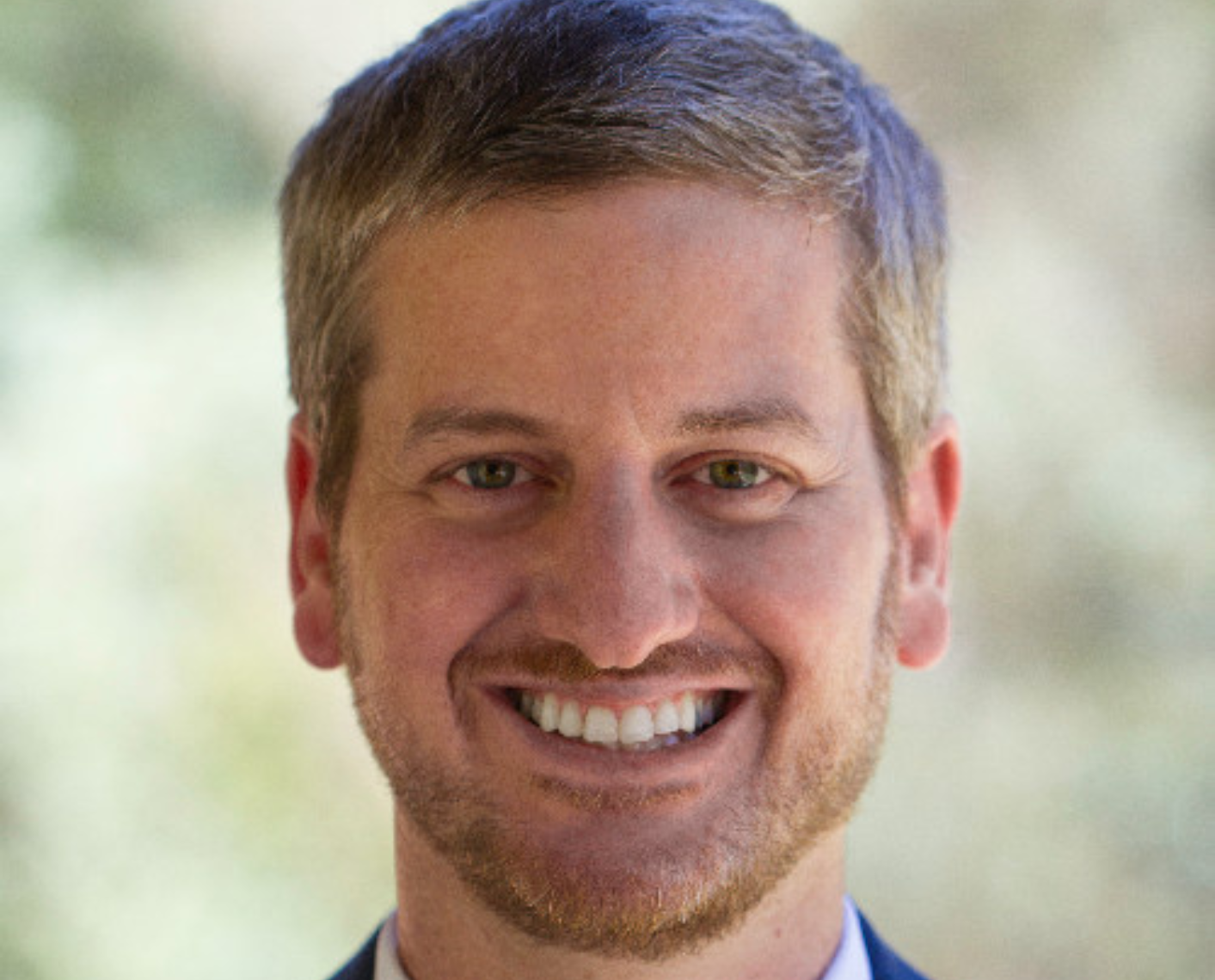
Ishay Katz
Ishay has spent his career in the space between people and the systems they work in. Whether inside a large utility, a university, or an early-stage venture, the pattern has been the same: he builds the communities and partnerships that let people solve problems they could not solve alone. Today, through Katz Partners, he works alongside founders and executive teams on the parts of their business that are changing. He believes AI can sharpen human judgement, but not replace the conversation where judgement is formed. What he cares about most is what happens when the right people are finally in the same room.